Best Remodeling Contractor: Overhaul Your Home With Expert Design and Outstanding Craftsmanship
Home renovation can greatly enhance both visual appeal and functionality. A highly-regarded remodeling contractor plays a crucial role in this makeover. Their proficiency integrates creative planning with quality craftsmanship, ensuring that each undertaking meets the homeowner's vision. However, not all contractors are identical. Grasping the important characteristics and processes involved is necessary for a successful outcome. What should property owners consider when embarking on this journey?
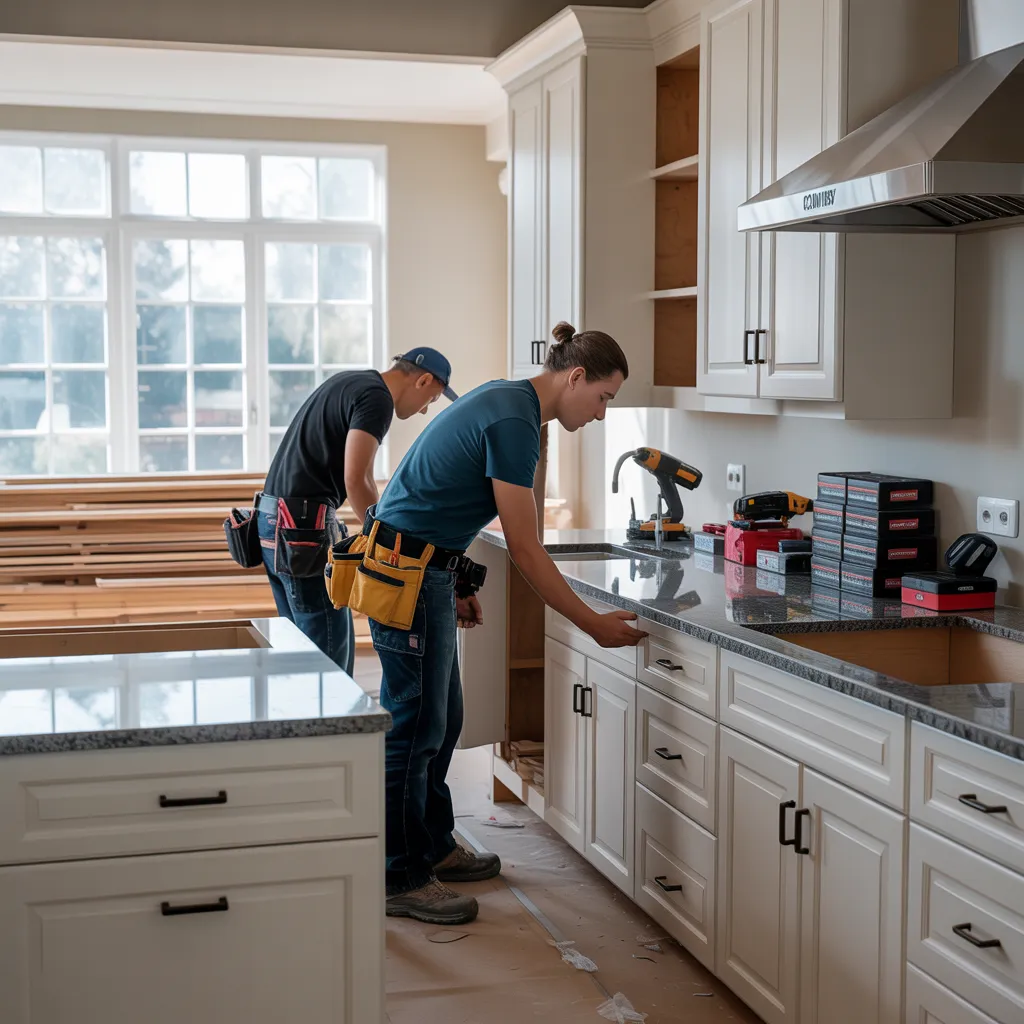
The Significance of Hiring a Top-Rated Renovation Contractor
When launching a remodeling assignment, the decision to hire a premier contractor can greatly determine the outcome. A skilled builder exhibits the expertise and history necessary to navigate the complexities of home renovations. They can present beneficial perspective into design choices, finishes, and project durations, ensuring that the project aligns with the homeowner's expectations and budget.
Well-reviewed contractors typically include glowing testimonials and an outstanding portfolio, presenting their previous work and client satisfaction. This reputation can build confidence in homeowners, easing concerns connected to extensive home updates. Moreover, a reputable contractor typically maintains established relationships with material providers and specialized contractors, which can afford more competitive rates and excellent material choices.
Ultimately, selecting a top-rated renovation specialist not only boosts the potential for a thriving project but also fosters a cooperative setting where ideas and creativity bloom, resulting in a transformed home that showcases the homeowner's aspirations.
Important Features to Find in a Home Remodeling Contractor
Locating the ideal remodeling contractor extends beyond merely checking reviews and portfolios; it involves identifying specific qualities that guarantee a successful partnership. Initially, a reputable contractor must possess strong communication skills, ensuring that they can clearly articulate ideas and listen to client needs. Next, expertise in the particular renovation work required is essential, as it indicates a established history of quality work. Additionally, a skilled professional must be licensed and insured, offering assurance regarding liability and safety. Reliability is another critical quality; a contractor should maintain timelines and budgets, minimizing unexpected delays. Finally, a solid portfolio showcasing varied finished work demonstrates an ability to accommodate different aesthetics and client desires. By concentrating on these qualities, homeowners can make informed decisions when hiring a remodeling contractor, ultimately leading to a successful home transformation.
Top Remodeling Initiatives Worth Thinking About
Homeowners frequently encounter numerous choices when contemplating remodeling projects, each offering distinctive advantages and improvements. Kitchen renovations rank among the top choices, which can greatly improve usability and visual appeal. Updating countertops, cabinets, and appliances not only modernizes the space but also increases the worth to the home.
Bathroom renovations are another well-liked choice, forming a sanctuary for rest and grooming. Homeowners often prefer updated fixtures, refined tile work, and improved floor plans to improve comfort.
In addition, basement completion has picked up momentum as a technique for maximizing usable area, establishing versatile areas for entertainment and home offices.
Exterior renovations, such as deck installations or grounds work, also remain in need, allowing homeowners to boost their outdoor enjoyment. Each of these projects not only modifies the living environment but can also yield a substantial return on investment.
The Design Journey: Partnering With Your Project Manager
The development process in remodeling entails a crucial cooperative effort between important resource the homeowner and the contractor. During the initial consultation meeting, suggestions and objectives are presented, setting the foundation for the work. Subsequently, design cycles progress, enabling adjustments and conclusively leading to approval before construction begins.
Introductory Consultation Encounter
How does an first meeting consultation establish the foundation for a successful remodel? This crucial initial phase allows homeowners and contractors to establish a shared comprehension of the project's vision and goals. During this session, clients present their needs, ideas, and financial parameters, while contractors evaluate the space and provide insights on feasibility. Effective communication is essential, as it builds trust and collaboration between both parties. Contractors may also share portfolios of past projects, providing ideas and showcasing their expertise. By addressing any concerns and planning schedules, the first meeting lays the groundwork for a fruitful partnership. In the end, this session is crucial for aligning goals and guaranteeing that the renovation starts on a strong footing.
Design Iteration and Acceptance
As the planning process unfolds, collaboration between homeowners and contractors becomes crucial for refining the project vision. This phase focuses on open communication, allowing both parties to share ideas, preferences, and concerns. Contractors present initial design concepts based on the homeowner's input, which leads to iterative revisions. Each design iteration serves as a building block toward the final layout, including feedback and making necessary adjustments. Homeowners should feel encouraged to express their thoughts, ensuring the design aligns with their aspirations. Approval of the final design marks a critical milestone, solidifying the project blueprint. This collaborative approach fosters a sense of ownership and satisfaction, paving the way for successful implementation and ultimately transforming the home into a personalized living space.
Learning About the Costs of Home Remodeling
Knowing the financial obligations connected with home renovation is crucial for any homeowner planning a project. Budgeting effectively requires not only accounting for the main expenses but also recognizing hidden expenses that may appear during the remodeling process. Awareness of these monetary factors can help guarantee a smoother and more successful remodeling experience.
Establishing a budget for Your initiative
Budgeting for a home renovation project requires thorough evaluation of various costs at stake. Homeowners should commence by identifying the scope of the project, which will greatly influence the total budget. Key expenses typically encompass materials, labor, permits, and design fees. It is essential to research and obtain quotes from numerous contractors to establish a practical estimate. Additionally, homeowners should consider whether they will undertake any of the work themselves, which can diminish labor costs. Forming a contingency fund is also advisable, as it allows for unexpected expenses that may arise during the remodeling process. By methodically evaluating these factors, homeowners can construct a all-encompassing budget that aligns with their budget constraints and project goals.
Unexpected Costs to Consider
While property owners often focus on the major expenses of a remodeling project, they may miss several hidden costs that can substantially affect the total expenditure. These expenses can encompass licenses and evaluations, which vary by area and renovation scope. Unexpected building problems, such as mold or outdated wiring, may also occur throughout remodeling work, necessitating additional funds. Property owners should also consider the expenses for interim accommodations if the undertaking requires substantial labor. In addition, design changes during the process can result in increased expenses, as can the selection of high-end materials. Finally, post-remodeling costs, such as fresh furniture or yard work, can additionally strain the budget. Understanding of these concealed costs is crucial for effective financial planning.
Guidance for a Effective Home Renovation Undertaking
A prosperous home renovation undertaking copyrights on detailed planning and transparent communication. Homeowners should start by creating a practical budget and timeline, accounting for potential delays and unexpected costs. Engaging a reputable remodeling contractor is important; they bring skill and can offer insights that conserve time and money.
Owners should also establish a detailed design plan, featuring materials and finishes, to guarantee a cohesive vision. Regular check-ins with the contractor support alignment on progress and address any concerns in a timely manner. Communication should continue to be open and proactive, creating a collaborative atmosphere.
Furthermore, it's advisable to get prepared for interruptions by establishing a temporary living space, particularly for bigger projects. In the end, patience is key; renovations can be taxing, but a constructive mindset will contribute to a seamless process and contentment with the final outcome. By adhering to these tips, homeowners can improve their renovation experience and achieve their desired results.
Commonly Requested Questions
What Duration is Required for a Common Remodeling Project to be Finished?
A conventional remodeling project can take between a few weeks and several months to complete. Factors determining the duration include project size, complexity, and the competence of the contractor and trades involved.
What Formats of Protections Do Remodeling Contractors Offer?
Remodeling contractors typically give warranties on skilled work, materials, and appliances. These warranties can vary from one year to a lifetime, according to the contractor and specific project details, ensuring confidence to homeowners regarding quality and durability.
How Do I Confirm a Contractor's License and Coverage?
To confirm a contractor's license and insurance, one can check state licensing boards and digital records. Additionally, obtaining copies of insurance policies directly from the contractor guarantees coverage is current and satisfies required standards.
What Could I Do if I'm Dissatisfied With the Work?
When dissatisfaction occurs, the homeowner ought to present issues directly with the contractor. Catalog problems, inspect the contract, and attempt amicable resolution. If still pending, pursue mediation or contacting local regulatory authorities for extra help.
Are There Payment Plans Available for Home Remodeling Projects?
Many renovation firms offer various financing options, including individual loans, home equity lines of credit, and payment arrangements. Property buyers should explore these options to select a strategy that aligns with their financial plan and renovation scope competently.
Comments on “Trusted Construction Remodeling Contractors”